
Blogs
Diabetic Retinopathy: Symptoms and Treatment
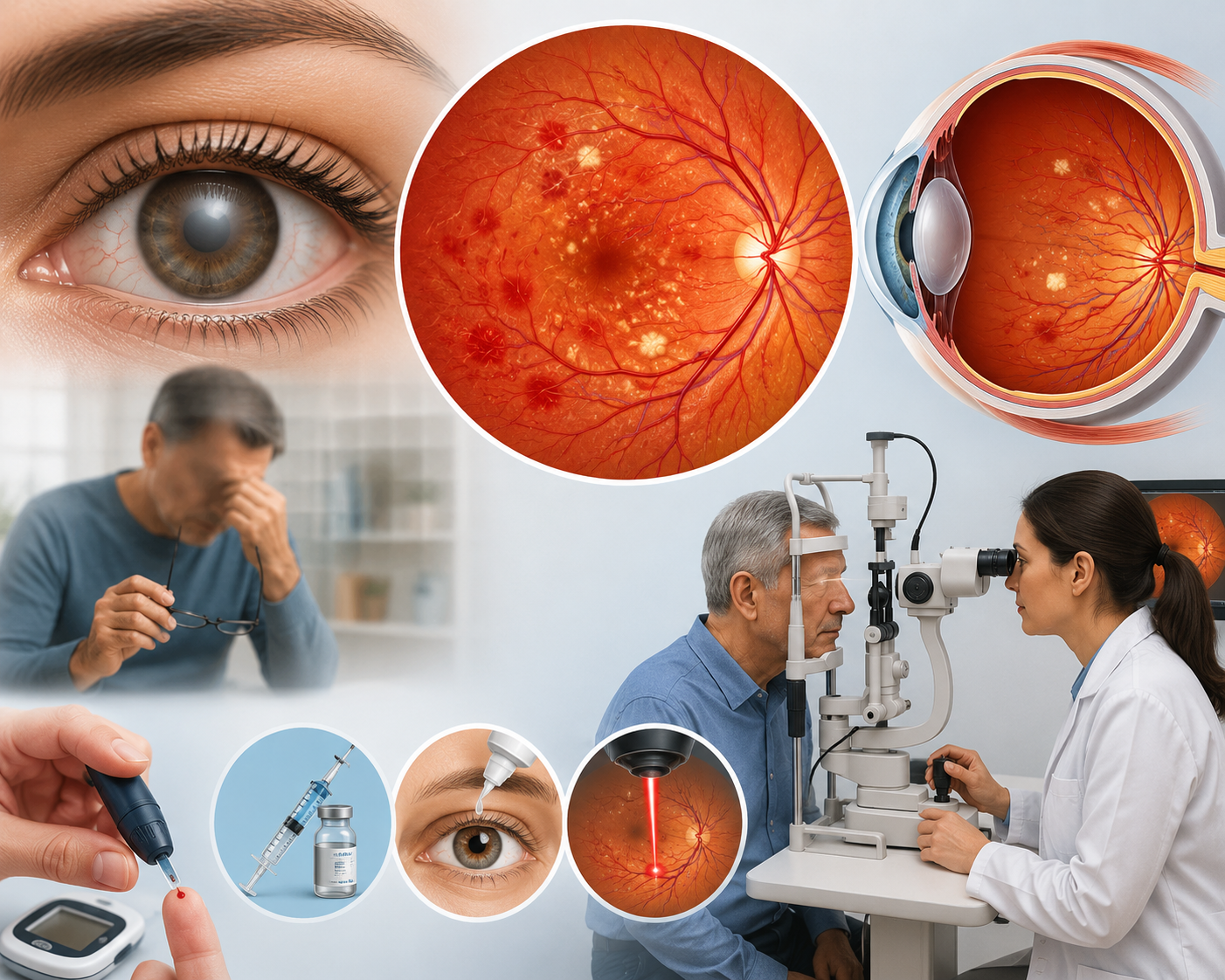
Introduction
The complications of diabetes extend to various organs, and one such organ where diabetes poses its risk is the eyes. Diabetic retinopathy refers to the complication in the eyes of diabetes patients that occur owing to damage to the blood vessels in the eyes due to high blood glucose levels. In cases of untreated diabetic retinopathy, the patient may experience poor vision and may even become blind.
With greater awareness about the complications arising in the eyes of diabetes patients, it is necessary to conduct regular eye tests and screen for any such complications. As there have been developments in technologies and treatments, it is easy today to detect such issues.
Visiting the Best eye hospital in kochi will be beneficial in diagnosing the issues related to the retinas at an earlier stage itself. It is important to note that modern-day retinal care is all about preserving the eyesight and protecting from any future complications.
Table of Contents
- Understanding Diabetic Retinopathy
- Causes of Diabetic Retinopathy
- Stages of Diabetic Retinopathy
- Symptoms of Diabetic Retinopathy
- How Diabetic Retinopathy Is Diagnosed
- Treatment Options for Diabetic Retinopathy
- Importance of Early Detection
- Tips to Prevent Vision Loss
- When to Consult a Specialist
- Conclusion
- FAQ
Understanding Diabetic Retinopathy
Retinopathy of Diabetes refers to a disease that affects the eyes and which is associated with diabetes. Retinopathy of diabetes causes problems in the retina, which is a delicate membrane present at the back portion of the eye. Increased sugar level in the blood damages the retinal vessels causing their breakage and bleeding. Occasionally, new vessels are developed in the retina area.
This eye disease develops gradually, and the symptoms are hard to detect during its early stages. Thus, regular eye tests should be conducted by diabetes patients.
Causes of Diabetic Retinopathy
The primary cause of diabetic retinopathy is prolonged high blood sugar levels associated with diabetes. Over time, elevated glucose levels weaken and damage the delicate blood vessels inside the retina.
Several factors can increase the risk of developing diabetic retinopathy, including:
- Poorly controlled diabetes
- High blood pressure
- High cholesterol levels
- Smoking
- Long duration of diabetes
- Kidney disease
- Obesity and unhealthy lifestyle habits
People with both Type 1 and Type 2 diabetes are at risk of developing this condition.
Stages of Diabetic Retinopathy
Diabetic retinopathy generally progresses through two major stages.
Non-Proliferative Diabetic Retinopathy (NPDR)
This is the first phase of the disease. The small blood vessels in the retina become fragile and can rupture into the retina, allowing fluids or blood to escape. This fluid leakage may lead to swelling in the macula, called macular edema, which is among the main reasons for vision problems in diabetic patients.
Sometimes, patients may also suffer from macular ischemia, when there is limited blood flow in the retina.
Symptoms during this stage may include:
- Mild blurred vision
- Difficulty reading
- Distorted vision
- Reduced visual clarity
Proliferative Diabetic Retinopathy (PDR)
This is the advanced stage of diabetic retinopathy. In response to poor blood circulation, the retina begins forming abnormal new blood vessels, a process called neovascularization.
These fragile blood vessels can bleed into the vitreous gel inside the eye, causing floaters or sudden vision loss. Scar tissue may also develop, increasing the risk of retinal detachment.
PDR is considered a serious retinal condition and requires immediate medical attention from an experienced retina specialist in Kochi.
Symptoms of Diabetic Retinopathy
Diabetic retinopathy often develops silently without early warning signs. As the disease progresses, symptoms may become more noticeable.
Common symptoms include:
- Blurred vision
- Sudden vision fluctuations
- Floaters or dark spots
- Difficulty seeing at night
- Washed-out or faded colors
- Dark or empty areas in vision
- Partial or complete vision loss
Symptoms may affect one or both eyes depending on the severity of the disease.
How Diabetic Retinopathy Is Diagnosed
Early diagnosis plays a major role in preventing permanent vision damage. Comprehensive retinal evaluation helps doctors detect even minor retinal changes before symptoms worsen.
Dilated Eye Examination
Eye drops are used to widen the pupil, allowing the ophthalmologist to examine the retina thoroughly.
Optical Coherence Tomography (OCT)
The OCT imaging method allows us to obtain highly detailed images from the retina. This procedure can help recognize any swelling of the retina and monitor the condition of the macular edema.
Fluorescein Angiography
In this process, a certain type of dye is injected into the vein in order to study the flow of blood through the blood vessels of the retina.
People tend to prefer the special retinal centers due to the high level of equipment there and competent surgeons as well. Choosing a trusted Vitreo eye clinic in Kochi would be perfect for keeping an eye on your retina.
Treatment Options for Diabetic Retinopathy
Treatment depends on the stage and severity of diabetic retinopathy. The goal is to slow disease progression, preserve vision, and prevent complications.
Blood Sugar and Blood Pressure Control
Maintaining stable blood sugar levels is one of the most effective ways to slow retinal damage. Proper diabetes management, healthy eating habits, regular exercise, and blood pressure control help reduce the risk of vision loss.
Anti-VEGF Injections
Anti-VEGF medications help reduce retinal swelling and stop abnormal blood vessel growth. These injections are administered directly into the eye under sterile conditions.
Commonly used medications include:
- Avastin
- Eylea
- Lucentis
These treatments can stabilize vision and sometimes improve visual clarity.
Steroid Injections
Steroid medications may also be recommended to reduce retinal inflammation and swelling, particularly in cases of diabetic macular edema.
Laser Treatment
The process of laser treatment will seal up any leaky blood vessels and decrease inflammation in the retina. It can also stop the growth of any abnormal blood vessels in more severe cases of diabetic retinopathy.
Laser treatment is one of the most effective treatments available.
Vitrectomy Surgery
Vitrectomy surgery will have to be performed in such conditions where there is any kind of vitreous hemorrhage or retinal detachment. This process involves removal of vitreous gel filled with blood and scar tissue from inside the eye.
People who need advanced retinal treatment are always advised to approach a skilled vitreo-retina specialist in Kochi.
Importance of Early Detection
One of the biggest challenges with diabetic retinopathy is that many patients do not experience symptoms during the early stages. By the time vision problems become noticeable, retinal damage may already be significant.
Regular eye screenings help detect retinal changes early and improve treatment outcomes. People with diabetes should schedule routine retinal evaluations even if their vision appears normal.
Early diagnosis offers several benefits:
- Reduced risk of severe vision loss
- Better treatment success rates
- Lower chances of retinal complications
- Improved long-term eye health
Tips to Prevent Vision Loss
Preventive eye care is essential for people living with diabetes. Simple lifestyle modifications and routine monitoring can help protect vision.
Maintain Healthy Blood Sugar Levels
Consistently controlling blood sugar reduces stress on retinal blood vessels and slows disease progression.
Monitor Blood Pressure
High blood pressure increases retinal damage. Proper management supports healthier eye circulation.
Attend Regular Eye Exams
Comprehensive eye checkups allow doctors to identify retinal problems before symptoms appear.
Follow a Healthy Diet
A balanced diet rich in vegetables, fruits, and omega-3 fatty acids supports overall eye health.
Avoid Smoking
Smoking increases blood vessel damage and raises the risk of diabetic complications.
Seek Immediate Care for Vision Changes
Sudden floaters, blurred vision, or dark spots should never be ignored.
When to Consult a Specialist
People with diabetes should consult an eye specialist immediately if they experience:
- Sudden vision loss
- Persistent floaters
- Severe blurry vision
- Flashes of light
- Dark shadows in vision
- Difficulty reading or driving
Prompt retinal evaluation can prevent irreversible damage and improve the chances of preserving eyesight.
Conclusion
Diabetic Retinopathy is one of the leading causes of vision impairment in those suffering from diabetes. Fortunately, with proper diagnosis and treatment, this condition can be prevented. The improvements made in the field of retinal imaging, lasers, medications, and surgical treatments have allowed better management of diabetic retinopathy.
Eye exams, blood glucose management, and prompt medical attention are key to preventing complications. Patients who seek help early enough and consult a retinal expert can ensure good visual health.
This holistic approach ensures that eye health is protected from childhood through old age, helping individuals maintain clear vision, improve quality of life, and prevent avoidable vision loss in the future.
Book Your Retina Evaluation Today
Frequently Asked Questions
What is diabetic retinopathy?
Does diabetic retinopathy lead to blindness?
What are the initial signs of diabetic retinopathy?
Can diabetic retinopathy be treated?
How often should diabetics have eye tests?
Author

K P M Eye Hospital, situated at M G Road, Kochi, Kerala is a super speciality eye hospital providing a wide range of complete eye treatments under one roof. Our motto is to provide best, comprehensive and affordable eye care with the latest comprehensive technologies. We are committed to achieve and maintain excellence in eye care.
