Blogs
Can Glaucoma Cause Permanent Blindness?
Introduction
Glaucoma is a major contributor to blindness on a global scale. It is sometimes referred to as the “silent thief of sight” since glaucoma often damages the optic nerve without showing any symptoms at an early stage. Due to this fact, vision loss due to glaucoma usually happens in a gradual and painless way, leaving many people oblivious to the problem.
One of the most frequent questions regarding glaucoma concerns the possibility of going blind because of it. The answer is that, if the disease is left untreated, it can result in irreversible vision loss, and in worst case scenarios, blindness. However, in case of timely diagnosis, monitoring and proper treatment, the disease does not have to affect vision badly.
This blog is devoted to finding out more about how glaucoma affects vision, possibilities of preventing blindness caused by it, treatment methods, and the importance of routine eye checks.
Table of Contents
- Understanding Glaucoma and Its Impact on Vision
- How Does Glaucoma Affect Vision?
- Can Glaucoma Cause Permanent Blindness?
- Types of Glaucoma
- Risk Factors for Glaucoma
- Symptoms to Watch For
- How Glaucoma Is Diagnosed
- Treatment Options for Glaucoma
- Preventing Vision Loss from Glaucoma
- Importance of Regular Eye Checkups
- Conclusion
- FAQ
- Call to Action
Understanding Glaucoma and Its Impact on Vision
Glaucoma is an eye disorder that is characterized by the impairment of the optic nerve, a part of the eye responsible for conveying images from the eyes to the brain. Glaucoma is a condition that starts slowly and may lead to gradual vision impairment because it has no symptoms in its early stages. Early diagnosis and treatment of glaucoma is important since the damage caused cannot be reversed.
In addition, regular eye examinations may assist in the early detection of glaucoma before there are major impairments of vision. Knowledge of how glaucoma develops and what risk factors are involved will assist in protecting one’s vision.
How Does Glaucoma Affect Vision?
Glaucoma typically starts by attacking the peripheral vision. Since the central vision is still clear during this phase, individuals are unaware that their vision is being lost.
As the condition advances:
- The peripheral vision gets increasingly narrowed.
- Blind spots start to appear.
- Activities get increasingly tough.
- The central vision becomes affected in advanced cases.
- Total blindness can occur in severe cases.
The vision loss caused by glaucoma is irreversible because damaged optic nerve tissue cannot be restored.
Can Glaucoma Cause Permanent Blindness?
Yes, there is a chance that one can become blind due to glaucoma if the condition goes undetected and untreated.
The fact that other eye disorders may have vision loss reversed through surgery and medicines does not apply to the case of glaucoma. When the damage has been done to the optic nerve, vision loss becomes irreversible.
Still, one can avoid blindness caused by glaucoma if it is diagnosed and managed correctly.
Patients seeking Best Glaucoma Treatment in kochi are often advised to begin treatment as early as possible to minimize optic nerve damage and maintain visual function.
Types of Glaucoma
Primary Open Angle Glaucoma
The most prevalent type of glaucoma. It develops slowly and gradually and does not show any initial symptoms.
Angle-Closure Glaucoma
This type results from a sudden blockage of the eye’s drainage angle, resulting in an immediate increase in intraocular pressure. It is regarded as a medical emergency.
Normal Tension Glaucoma
There is optic nerve damage even when eye pressure is normal.
Congenital Glaucoma
This is a very rare type of glaucoma that is present from birth.
Secondary Glaucoma
This is glaucoma that develops from another eye problem, injury, drugs, or systemic disease.
Risk Factors for Glaucoma
Several factors can increase the likelihood of developing glaucoma:
- Age – The risk increases significantly after the age of 40.
- Family History – Individuals with close relatives who have glaucoma are at higher risk.
- High Eye Pressure – Elevated intraocular pressure is one of the primary risk factors.
- Diabetes and Hypertension – Certain systemic health conditions can contribute to glaucoma development.
- Eye Injuries – Previous trauma can damage the eye’s drainage system.
- Long-Term Steroid Use – Extended use of corticosteroids may increase eye pressure.
Symptoms to Watch For
Open-angle glaucoma often develops without noticeable symptoms. However, advanced stages may present:
- Loss of peripheral vision
- Tunnel vision
- Difficulty seeing in low light
Acute angle-closure glaucoma may cause:
- Severe eye pain
- Sudden blurred vision
- Headaches
- Nausea and vomiting
- Halos around lights
- Eye redness
Immediate medical attention is necessary if these symptoms occur.
How Glaucoma Is Diagnosed
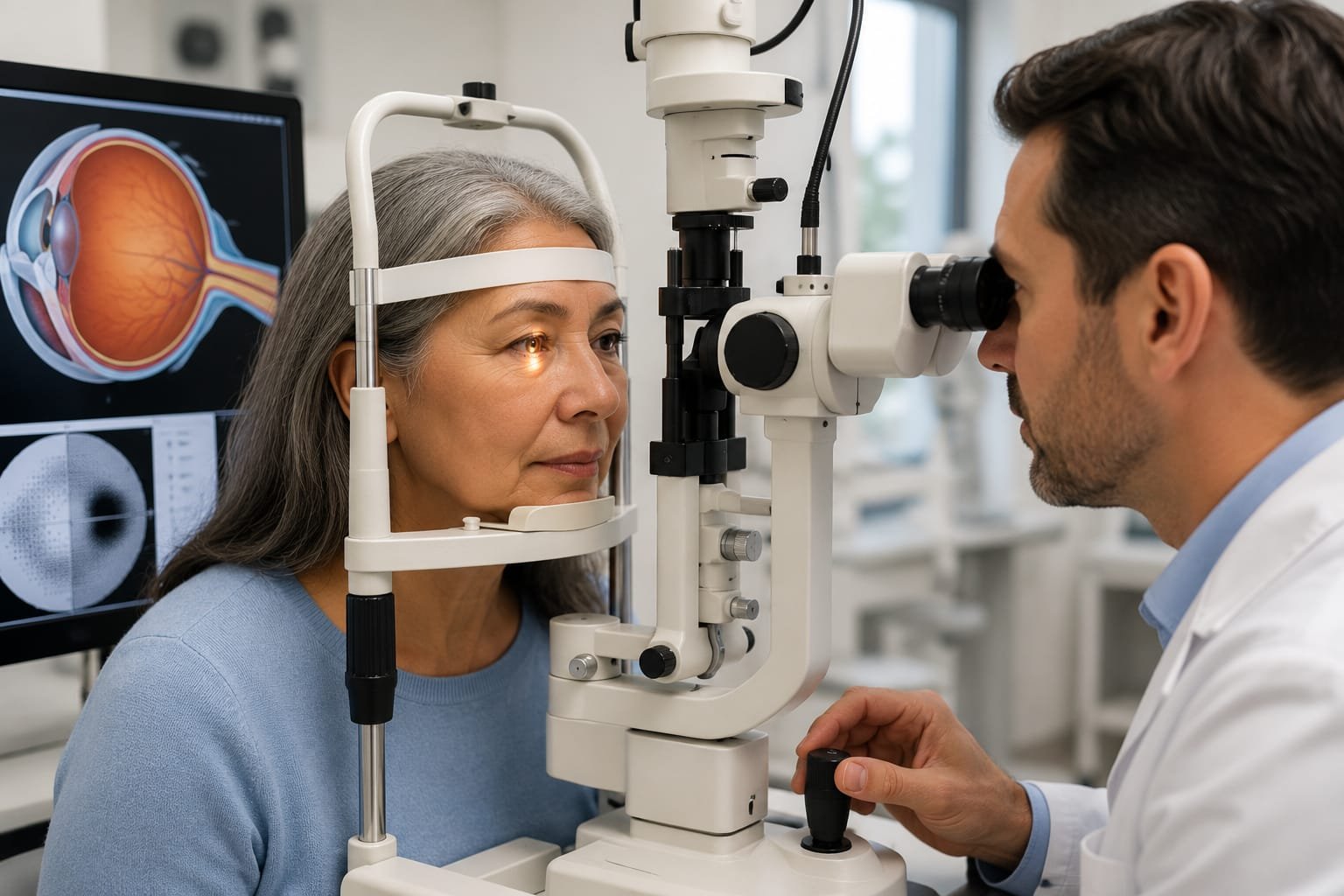
It is important to diagnose this condition early since the signs may show up after some damage has been done. Glaucoma testing includes:
- Tonometry – This measures the pressure inside the eye.
- Optic Nerve Exam – This examines the health of the optic nerve.
- Visual Field Test – This identifies any vision loss.
- Optical Coherence Tomography (OCT) – This tests the optic nerve and retinal fibers.
- Gonioscopy – This tests the drainage angle in the eye.
Those looking for Expert Glaucoma Care in kochi should ensure they undergo regular comprehensive eye examinations for early detection and management.
Treatment Options for Glaucoma
Although glaucoma cannot be cured, treatment can effectively slow its progression.
Eye Drops for Prescription
They form part of the initial treatment options and aid in lowering eye pressure.
Medications for Oral Use
Some medicines can be used where there is a need for more pressure to be reduced.
Laser Surgery
This type of surgery helps in reducing fluid drainage and eye pressure.
Minimally Invasive Glaucoma Surgery (MIGS)
This procedure helps to control eye pressure quickly.
Glaucoma Surgery
At an advanced stage, surgery becomes necessary to make new drainage pathways.
Patients receiving Glaucoma Treatment in kochi often benefit from personalized treatment plans based on the type and severity of their condition.
Preventing Vision Loss from Glaucoma
Although not all cases of glaucoma are preventable, vision loss can be reduced by:
- Regular eye examinations
- Early detection
- Proper adherence to medications prescribed
- Treatment as advised
- Regular check-up for eye pressure
- Staying healthy
Early treatment greatly increases the possibility of saving one’s eyesight.
Importance of Regular Eye Checkups
Many people with glaucoma experience no symptoms until vision loss has already occurred.
Regular eye examinations help:
- Detect glaucoma early
- Monitor disease progression
- Evaluate treatment effectiveness
- Protect long-term vision
Individuals over 40 and those with risk factors should schedule routine eye screenings even if they have no visual complaints.
Conclusion
Glaucoma is a severe eye disorder that can result in blindness if not managed in a timely manner. This is because of the nature of the condition, which means that early diagnosis is the best protection from its effects. While it is impossible to reverse the damage done to the eyes by glaucoma, there are modern treatments that can help in managing the disease.
Professional eye exams and proper management of the disorder will help prevent the vision loss caused by glaucoma.
For individuals seeking the Best eye hospital in kochi, choosing an experienced eye care center with advanced glaucoma diagnostic and treatment facilities can help ensure optimal outcomes.
Protect your vision before symptoms appear
Frequently Asked Questions
1. Is glaucoma-related blindness irreversible?
2. Can glaucoma be cured fully?
3. Who is at greater risk for getting glaucoma?
4. How often should I test myself for glaucoma?
5. Is it true that all types of glaucoma have some symptoms?
6. Is it possible to have glaucoma in only one eye?
Author

K P M Eye Hospital, situated at M G Road, Kochi, Kerala is a super speciality eye hospital providing a wide range of complete eye treatments under one roof. Our motto is to provide best, comprehensive and affordable eye care with the latest comprehensive technologies. We are committed to achieve and maintain excellence in eye care.
