
Blogs
Common Corneal Problems and Their Treatment Options
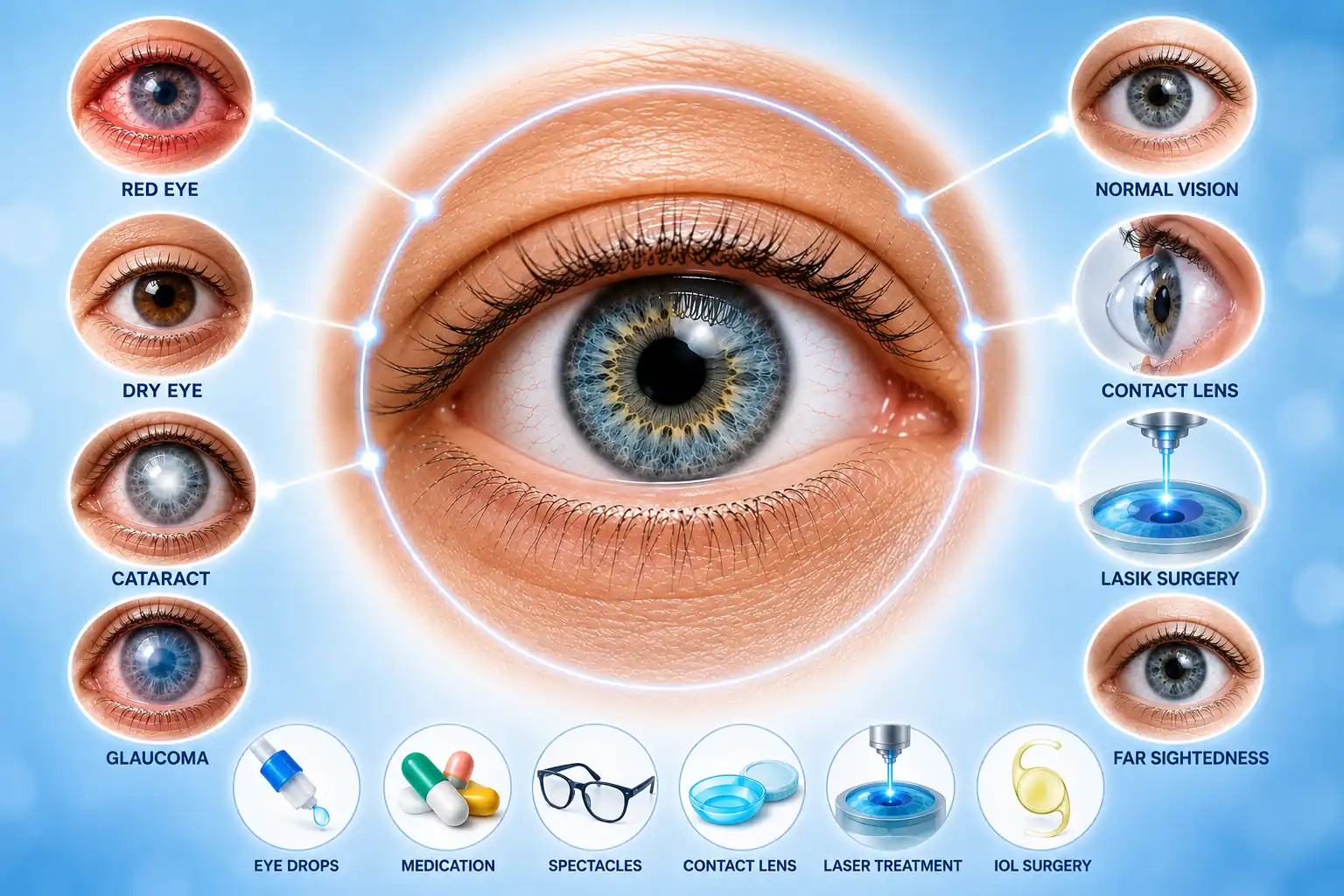
The cornea is the transparent, dome-shaped covering on the outside of the eye. The cornea helps in the process of focusing light on the eye and protecting the internal structures of the eye from any damage. Since the cornea is exposed to the external environment, it can suffer from infections, trauma, inflammation, degeneration, and other diseases.
Some corneal disorders might cause slight discomfort, while some may affect the vision and therefore require urgent treatment. Early diagnosis is critical since proper management will ensure that the cornea stays healthy and one retains his vision.
In case of persistent eye pain, redness, blurred vision, sensitivity to light, tearing, or any other abnormality within the eye, it is advisable to seek the help of an eye-care specialist for cornea diseases in Kochi.
Table of Contents
- Understanding the Role of the Cornea
- Common Corneal Problems
- Corneal Abrasion
- Keratitis
- Corneal Ulcer
- Keratoconus
- Corneal Dystrophies
- Corneal Edema
- Dry Eye and Corneal Health
- Corneal Injuries and Foreign Bodies
- Treatment Options for Corneal Problems
- When Should You See an Eye Specialist?
- How to Protect Your Cornea
- Conclusion
- FAQ
1. Understanding the Role of the Cornea
The cornea is the clear front part of the eye. Its purpose is to allow light into the eye and also to focus light onto the retina. There are many layers in the cornea, and any problems that occur with them will hinder its function, shape, or clarity. Since the cornea is very sensitive, there can be pain with any issues, even minor ones. Common symptoms associated with corneal problems include:
- Eye pain or discomfort
- Redness
- Blurred or reduced vision
- Excessive watering
- Sensitivity to light
- Foreign-body sensation
- Burning or irritation
- Difficulty keeping the eye open
2. Common Corneal Problems
Several conditions can affect the cornea. Some are temporary and respond well to treatment, while others require long-term monitoring. Common corneal conditions include:
- Corneal abrasions
- Keratitis
- Corneal ulcers
- Keratoconus
- Corneal dystrophies
- Corneal edema
- Corneal injuries
- Certain infections
- Scarring of the cornea
- Complications associated with contact lens use
The appropriate treatment depends on the specific condition, its severity, and the overall health of the eye.
3. Corneal Abrasion
A corneal abrasion is a scratch or injury to the surface of the cornea. It can occur when the eye comes into contact with dust, a fingernail, a foreign object, or another source of mechanical irritation.
Common Symptoms
- Sudden eye pain
- Watering
- Redness
- Light sensitivity
- Blurred vision
- Feeling that something is stuck in the eye
Treatment
The treatment of the abrasion depends on its cause and seriousness. In some cases, the examination of the cornea by an eye specialist with the help of specialized equipment and medication will be suggested.
It is not advisable to rub the eye because the injury may get aggravated.
4. Keratitis
Keratitis refers to inflammation of the cornea. It may be caused by infections, injuries, contact lens-related problems, or other conditions. Infectious keratitis can be caused by bacteria, viruses, fungi, or parasites.
Symptoms May Include
- Eye redness
- Pain
- Blurred vision
- Light sensitivity
- Excessive watering
- Discharge
- Foreign-body sensation
Treatment
Treatment depends on the underlying cause. Depending on the diagnosis, an eye specialist may prescribe antimicrobial or other appropriate medications. Because some forms of keratitis can progress rapidly and affect vision, prompt professional evaluation is important.
5. Corneal Ulcer
A corneal ulcer is an open sore or lesion on the cornea. It can occur because of infection or other forms of corneal damage.
Corneal ulcers can be serious and may lead to scarring or vision loss if not treated promptly.
Warning Signs
- Significant eye pain
- Redness
- Reduced vision
- Light sensitivity
- Excessive watering
- Discharge
- A visible white or cloudy spot on the cornea
Treatment
Treatment depends on the cause of the ulcer. The eye specialist may prescribe specific antimicrobial or other medication after examining the eye. If you suspect a corneal ulcer, seek medical attention promptly rather than waiting for symptoms to resolve.
6. Keratoconus
Keratoconus is a condition characterized by the thinning of the cornea and its subsequent formation of an irregular cone shape. This can cause visual distortion or blurring of vision. This condition typically manifests in teens or young adults.
Symptoms May Include
- Increasing short-sightedness
- Astigmatism
- Blurred or distorted vision
- Frequent changes in spectacle prescriptions
- Difficulty seeing clearly at night
- Increased sensitivity to light
Treatment Options
Treatment depends on the stage and progression of the condition. Options may include:
- Glasses
- Specialised contact lenses
- Corneal collagen cross-linking
- Intracorneal ring segments in selected cases
- Corneal transplantation in advanced cases
Early diagnosis and monitoring can be important for managing progressive keratoconus.
7. Corneal Dystrophies
Corneal dystrophies are a group of conditions in which abnormal material can accumulate within one or more layers of the cornea. Many are inherited and can vary considerably in their severity and progression. Some corneal dystrophies may cause:
- Recurrent eye discomfort
- Blurred vision
- Light sensitivity
- Corneal clouding
- Recurrent corneal erosions
Treatment
The treatment is based on the kind and severity of dystrophy. In some cases, it may be enough just to observe; however, in other cases, medicines or even surgery may be required. In order to find out the right treatment, thorough examination of eyes is necessary.
8. Corneal Edema
A swelling of the cornea happens when there is excessive fluid inside the cornea, thus making it swollen and cloudy.
This may be due to a number of factors, which include some eye disorders, trauma, inflammatory conditions, or eye surgeries.
Symptoms
- Blurred vision
- Hazy or cloudy vision
- Light sensitivity
- Eye discomfort
- Halos around lights
Treatment
Treatment focuses on identifying and managing the underlying cause. Depending on the situation, medications or surgical treatment may be considered.
9. Dry Eye and Corneal Health
Dry eye occurs when the eyes do not produce enough tears or when tears evaporate too quickly. Severe or persistent dry eye can affect the surface of the cornea.
Symptoms can include:
- Burning
- Stinging
- Grittiness
- Redness
- Watering
- Light sensitivity
- Fluctuating vision
Treatment Options
Treatment may include:
- Artificial tears
- Lifestyle modifications
- Warm compresses
- Eyelid hygiene
- Managing environmental triggers
- Prescription medication in selected cases
Your eye specialist can recommend treatment based on the cause and severity of dry eye.
10. Corneal Injuries and Foreign Bodies
Foreign objects such as dust, metal particles, sand, or other materials can enter the eye and potentially damage the cornea.
What You Should Do
If a foreign body enters your eye:
- Avoid rubbing the eye.
- Do not attempt to remove an embedded object with sharp tools.
- Rinse the eye with clean water if appropriate.
- Seek professional evaluation if discomfort or vision problems persist.
- Seek urgent care for significant injuries or chemical exposure.
Protective eyewear can reduce the risk of occupational and recreational eye injuries.
11. Treatment Options for Corneal Problems
There is no single treatment for all corneal conditions. Treatment is selected according to the underlying problem.
Medical Treatment
Depending on the diagnosis, treatment may include:
- Antibiotic medications
- Antiviral medications
- Antifungal medications
- Lubricating eye drops
- Anti-inflammatory medication
- Other prescription eye drops
Medication should only be used according to professional advice, particularly when an infection is suspected.
Contact Lenses
Specialised contact lenses may improve vision in selected corneal conditions such as keratoconus.
Corneal Cross-Linking
Corneal collagen cross-linking is commonly used to help strengthen the cornea in suitable cases of progressive keratoconus.
Surgical Treatment
Some advanced corneal diseases or injuries may require surgical treatment. Depending on the condition, procedures may involve removing or replacing damaged corneal tissue. A specialist evaluation is necessary to determine whether surgery is appropriate.
12. When Should You See an Eye Specialist?
You should seek professional eye care if you experience:
- Sudden or persistent eye pain
- Sudden blurred vision
- Significant redness
- Strong sensitivity to light
- Eye discharge
- A white spot on the cornea
- Eye injury
- Persistent foreign-body sensation
- Vision changes while wearing contact lenses
Contact lens wearers should be particularly careful with painful red eyes or sudden vision changes, as certain corneal infections can progress quickly. If you are looking for an eye clinic in Kochi, a comprehensive eye examination can help identify the underlying cause of corneal symptoms and guide appropriate treatment.
13. How to Protect Your Cornea
Good eye-care habits can help reduce the risk of certain corneal problems.
Follow Contact Lens Hygiene
- Wash your hands before handling lenses.
- Follow the recommended replacement schedule.
- Clean and store lenses correctly.
- Never share contact lenses.
- Avoid sleeping in lenses unless specifically advised by your eye-care professional.
- Do not use water to clean or store contact lenses.
Protect Your Eyes
Use appropriate protective eyewear when working with chemicals, machinery, dust, or other materials that could injure the eyes.
Avoid Rubbing Your Eyes
Frequent or forceful eye rubbing can irritate the ocular surface and may be particularly undesirable in people with certain corneal conditions.
Attend Regular Eye Examinations
Routine eye examinations can help detect changes in corneal health and vision before symptoms become significant.
14. Choosing the Right Corneal Specialist
The factors contributing to corneal problems and their severity may differ greatly from one patient to another, which means that the right treatment for your problem may differ as well. When looking for a cornea eye specialist in Kochi, make sure to choose a specialist capable of examining your corneal problem and providing you with proper treatment options. Patients with complicated or worsening corneal conditions might require monitoring by specialists in order to maintain their vision and decide on the necessity of advanced treatment.
Conclusion
The cornea is an integral part of healthy eyesight, and one should not ignore any disorders involving it. Corneal disorders include corneal abrasion, keratitis, corneal ulcer, keratoconus, dystrophy, edema, and severe dry eye disease.
Treatment depends on the disorder in question and varies from lubricating agents, medicines, special contact lenses, corneal cross-linking to surgery.
It is especially critical to diagnose and treat disorders of the eye that develop quickly or lead to irreparable damage to the cornea. If you experience pain, redness, light sensitivity, blurry vision, and other disorders, do not hesitate to see your eye doctor.
Don't ignore persistent eye pain or changes in vision. Early evaluation can help protect your corneal health.
Frequently Asked Questions
1. What are the usual symptoms associated with corneal issues?
2. Can a corneal issue affect your vision?
3. Is keratoconus treatable?
4. Can a corneal ulcer be serious?
5. Can the use of contact lenses lead to corneal issues?
6. Are corneal issues preventable?
7. When do I need immediate eye care?
8. Is surgery required to treat all corneal diseases?
Author

K P M Eye Hospital, situated at M G Road, Kochi, Kerala is a super speciality eye hospital providing a wide range of complete eye treatments under one roof. Our motto is to provide best, comprehensive and affordable eye care with the latest comprehensive technologies. We are committed to achieve and maintain excellence in eye care.
