
Blogs
How Parents Can Prevent Sports-Related Eye Injuries in Children
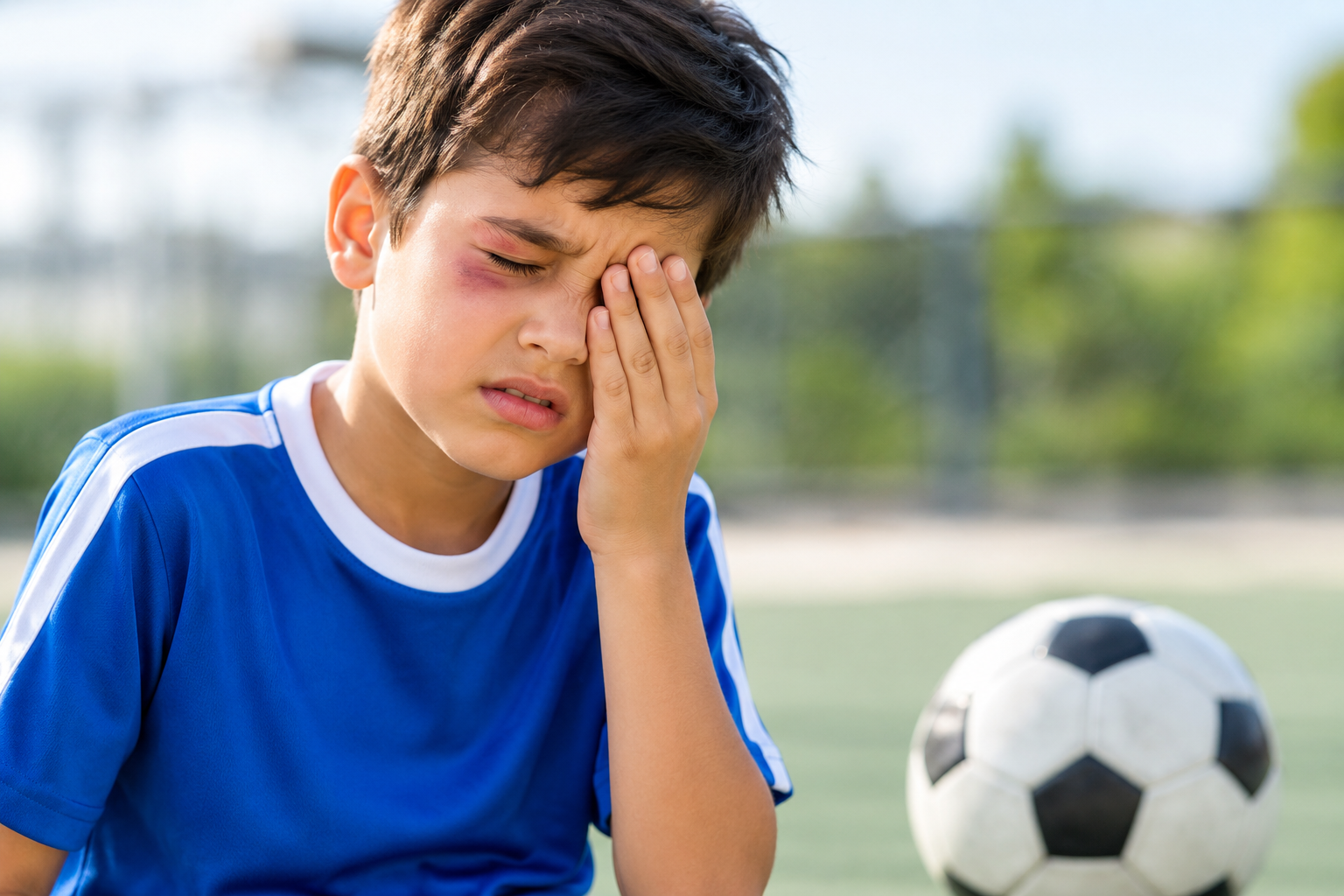
Sports are a way for children to stay active and healthy, but they can also cause unexpected eye injuries. A moving ball or an accidental hit can hurt a child’s eyes. Parents need to know about these risks. They should make sure kids wear proper eyewear when playing sports. Following safety rules can also help prevent accidents. If an eye injury does happen, getting quick care is important. Visiting the best eye hospital in Kochi can help make sure the child gets care and keeps their vision.
Table of Contents
- Why Sports Can Cause Eye Injuries in Children
- Common Sports-Related Eye Injuries
- How Parents Can Prevent Eye Injuries
- Choose the Right Protective Eyewear
- Basic Eye Safety Rules for Children
- Sports With a Higher Risk of Eye Injuries
- Signs of an Eye Injury
- What Parents Should Do After an Eye Injury
- When to Visit an Eye Hospital
- Conclusion
- FAQ
Why Sports Can Cause Eye Injuries in Children
Sports keep children active. Some activities can increase the risk of eye injuries.
- Moving objects: Balls or shuttlecocks can hit the eyes.
- Collisions: Players may accidentally hit each other.
- No protective eyewear: Increases the risk of injury.
- Improper equipment use: Can lead to accidents.
- Ignoring safety rules: May increase injury risks.
Proper protective gear and simple safety habits can help protect children’s eyes.
Common Sports-Related Eye Injuries
Eye injuries can happen suddenly during sports, especially if proper protection is not used
Common injuries include:
- Eye bruises: A hit can cause swelling or bruising around the eye.
- Corneal scratches: Scratches can cause pain and irritation to the eye.
- Black eye: A strong impact can cause swelling and discoloration around the eye.
- Cuts: Equipment or contact can injure the skin around the eye.
- Foreign objects: Dust or small particles can enter the eye.
- Eye bleeding: A strong impact can break blood vessels in the eye.
- Internal eye injuries: A hard hit can affect the inside of the eye and vision.
I advise that blurred vision, severe pain, bleeding or swelling after an injury should be checked by an eye-care professional.
How Parents Can Prevent Eye Injuries
Parents can take steps to reduce the risk of sports-related eye injuries in children. Making eye safety part of every practice and game can help children build habits early on.
Here are some effective ways parents can protect their child’s eyes:
- Use protective eyewear: Choose sports goggles for the activity.
- Check the fit: Make sure the eyewear fits comfortably and stays in place.
- Follow safety rules: Teach children to follow coaches’ instructions.
- Use equipment: Choose sport-specific protective gear.
- Replace damaged gear: Check and replace damaged eyewear when needed.
- Watch for symptoms: Seek attention if a child experiences pain, swelling, or blurred vision.
- Get eye check-ups: Routine eye exams can help maintain healthy vision.
Choose the Right Protective Eyewear
The right protective eyewear can help reduce the risk of eye injuries during sports. Parents should:
- Choose sports-specific protective glasses or goggles.
- Prefer impact-resistant lenses for better protection.
- Make sure the eyewear fits securely and comfortably.
- Check that it is suitable for the child’s age and sport.
Basic Eye Safety Rules for Children
Teaching children simple safety habits can lower the risk of eye injuries during sports.
- Wear eyewear when required.
- Follow the coach’s safety instructions.
- Use sports equipment correctly
- Never throw equipment at others.
- Tell an adult immediately if the eye is hurt or vision becomes blurry.
Sports With a Higher Risk of Eye Injuries
Many athletes get hurt in these sports because fast-moving balls, sticks, or physical contact can cause eye injuries.
- Cricket: Fast balls can hit the eyes.
- Hockey: Sticks and pucks can cause eye injuries.
- Basketball: Fingers and elbows may injure the eyes.
- Football: Ball impact and player contact can cause eye injuries.
- Badminton: Fast shuttlecocks can hit the eyes.
- Tennis: Balls and racquets can cause eye injuries.
- Boxing: Direct blows can damage the eyes.
- Squash: Fast balls can hit the eyes.
Signs of an Eye Injury
If you have an eye injury, look for these signs:
- Eye pain or discomfort
- Redness or swelling
- Reduced vision
- Excessive watering
- Sensitivity to light
- Bleeding or bruising around the eye
- Difficulty opening the eye
What Parents Should Do After an Eye Injury
- Stay calm and comfort the child.
- Do not press the injured eye.
- Avoid removing anything that is stuck in the eye.
- Rinse if dust or a small particle enters the eye.
- Seek medical care from a pediatric eye doctor if there is pain, bleeding, or changes in vision.
When to Visit an Eye Hospital
- Severe eye pain
- Sudden vision changes
- Bleeding or serious swelling
- Eye injury from an object
- Something stuck in the eye
- Redness or watering
- Symptoms getting worse
For children with sports-related eye injuries or other vision concerns, pediatric ophthalmology can provide specialized eye care and evaluation.
Conclusion
In conclusion, parents play an important role in protecting children from sports-related eye injuries. Choosing the right protective eyewear, ensuring a proper fit, and teaching children basic eye safety rules can help prevent injuries during sports and outdoor activities. If a child experiences an eye injury or has concerns about their eye health, consulting a children’s eye specialist can help ensure proper evaluation and timely care.
Protect Your Child’s Eyes Today
Frequently Asked Questions
1. How can eye injuries be prevented?
2. What should I do after an eye injury?
3. When should I visit an eye hospital?
4. Can sports cause eye injuries?
5. What are common signs of an eye injury?
Author

K P M Eye Hospital, situated at M G Road, Kochi, Kerala is a super speciality eye hospital providing a wide range of complete eye treatments under one roof. Our motto is to provide best, comprehensive and affordable eye care with the latest comprehensive technologies. We are committed to achieve and maintain excellence in eye care.
